
Products and services
Many offerings grow out of one-off customer requests and projects, and the price is often cost plus margin.
Read more about Products and services

Business model and financeRevenue model
The Next Organization helps you rethink your revenue model. Together, we find a model that fits how your customers want to buy and use what you offer today. Because the way you made money yesterday may not work tomorrow.
A revenue model describes how your organisation makes money. It answers two questions: what does the customer pay for, and how do they pay? Pricing itself is covered under Products and services.
How the income comes in
How the income comes in
How the income comes in
How the income comes in
How the income comes in
How the income comes in
Income from the customer per period: an indicative pattern, not actual amounts.
With a subscription or as-a-service model, payments shift from a single invoice to instalments spread over the contract. You invest first and earn later, and you need to be able to fund that gap in your cash flow. Customers also only stay as long as they keep getting value. With an hourly rate, revenue grows only as fast as the hours you bill, and so only as fast as your headcount.
Your revenue model is one part of your business model, which describes how you create, deliver and capture value, for which customers and with which partners. Changing your revenue model therefore affects your strategy, your customer relationships and your entire organisation. If you earn money together with partners through a platform, the Network Business Model Canvas can help.
You end up with a revenue model that fits how customers want to buy and use what you offer. You know what the switch will take in terms of cash flow, financing and organisation. And with a business case, you can make a well-founded decision.
A subscription works when customers use what you offer again and again and like having fixed costs. The convenience has to be worth what is often a higher total price. For you, it means predictable income, but making the switch requires a cash buffer.
Keep an eye on what is changing among your customers and in your market. Shrinking margins on the same revenue, or customers coming back less often, are warning signs. That is why it pays to check your revenue model against your market insights regularly.
Yes, many organisations do. Think of a one-off sale combined with a maintenance subscription, or a licence alongside hourly consulting. Just make sure the combination stays clear to customers and your prices do not undercut each other.
Expertise
Strategy affects everything. These themes are closely connected.
Many offerings grow out of one-off customer requests and projects, and the price is often cost plus margin.
Read more about Products and services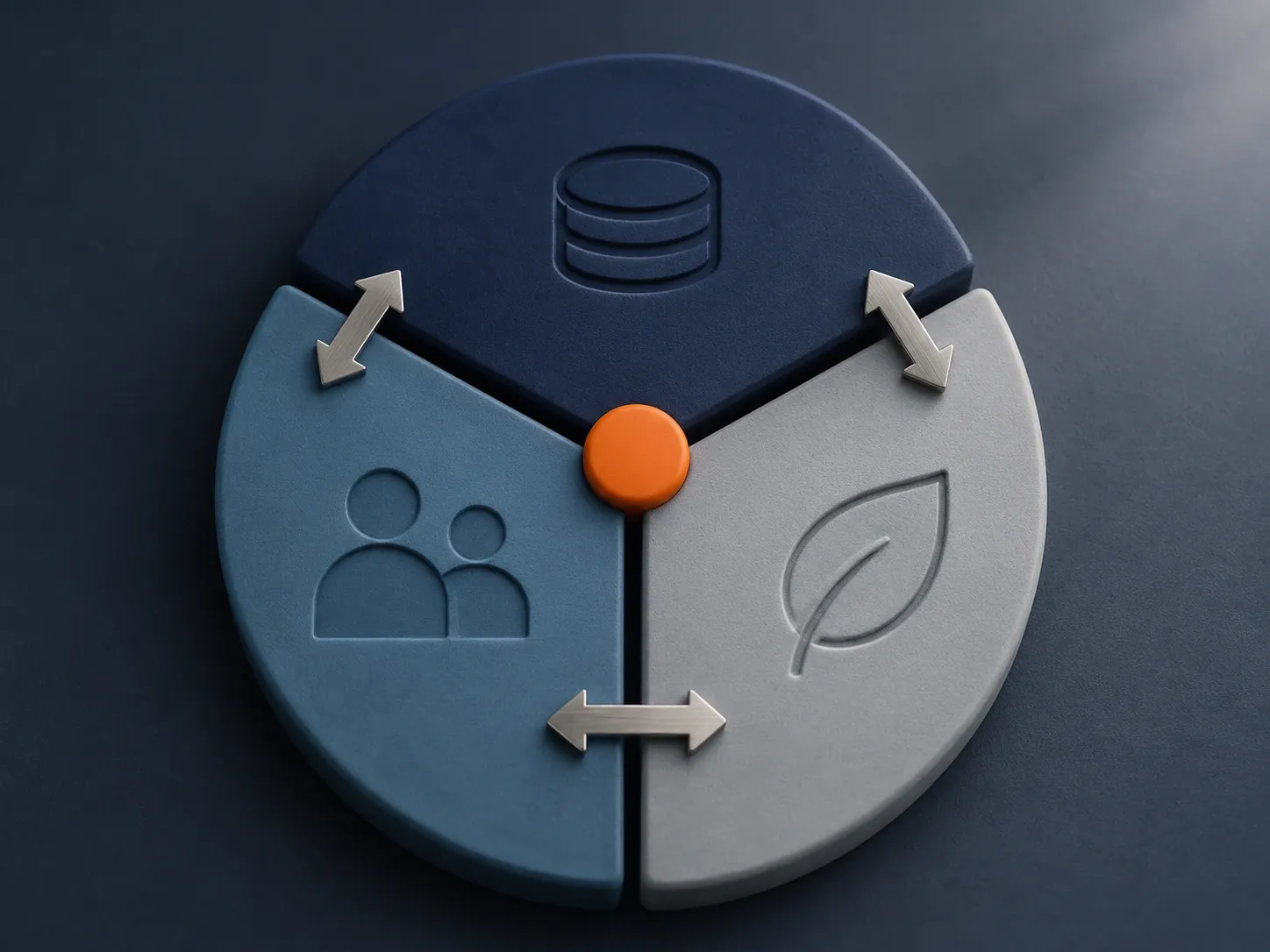
Sustainability only pays off when it is part of your business model, not an add-on.
Read more about Sustainable business model

Many partnerships start with enthusiasm and stall later on.
Read more about Network Business Model Canvas
Book a no-obligation sparring session. We will think through your challenge with you and show how we would tackle it together.